Towards Cultural Responsiveness
The NZSTA is committed to developing a bicultural organisation that is responsive to Te Tiriti o Waitangi and acts as a resource for the profession of speech-language therapy in cultural safety.
While we have a long way to go, we have started laying the foundations through the adoption of our Te Tiriti Responsiveness Policy, our strategic plan, the appointment of our kaumātua, an award programme that recognises commitment to kaupapa Māori in the workplace, research in speech-language therapy celebrating mātauranga and kaupapa Māori, and embodying manaakitanga in and outside their workplace, new bicultural roles, revised CPD Framework, kete of bicultural resources, and more.
Some constitutional changes:
The NZSTA Māori and cultural development portfolio was created in 2009.
- Kerrie Gallagher (2009-2011)
- Adele Siave (2011-2013)
- Karen Brewer (2014-2017)
- Renee Taylor (2017-2019)
- Katrina McGarr (2020-2022)
- Hana Tuwhare (2022-2024)
- Alice Buckland (2024 - current).
The 2018 constitution notes that one of our purposes is to (give meaning to Te Tiriti O Waitangi through practising the principles of partnership, protection, and participation.
In the 2023 version, members agreed on changes to the Māori and Cultural portfolio holder's appointment through the Māori Rōpū.
Strategic Plan
Strategy 2020 – 2025
Nāu te rourou, nāku te rourou, ka ora ai te iwi
Initiated in 2020, the NZSTA strategic plan identifies our current organisational values and priorities. The plan was developed by the NZSTA Board following input from the membership.
Strategic Aspirations
- The NZSTA and members are responsive to Te Tiriti o Waitangi. The profession of speech-language therapy has resources and kaupapa to ensure culturally safe practice.
- The NZSTA membership will be engaged, diverse and valued.
- Our communities and partners will be knowledgeable about communication and swallowing disorders in Aotearoa.
- NZSTA members will be lifelong learners.
- The NZSTA will promote excellent and ethical practice.
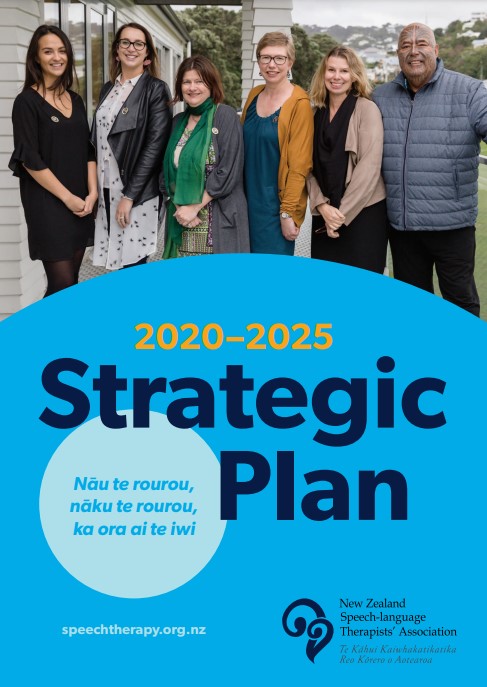
This commitment is reflected in the 2020 - 2025 NZSTA strategic plan. We aspire to ensure the NZSTA and members are responsive to Te Tiriti o Waitangi, where the profession of speech-language therapy has resources and kaupapa to ensure culturally safe practice. The strategic plan also sees the embracing of the NZSTA values: kotahitanga, whanaungatanga, rangatiratanga and aroha.
So far, we have created three cultural awards to recognise tohu manaaki, rangahau and kaupapa Māori; hosted the first annual wānanga for Māori members; developed a kete of resources to help in our journey of decolonising the profession, and created our annual awareness activity around one of our values.
By 2025 we aim to:
- Demonstrate equity, and te ao Māori lens is present for research, strategic planning, clinical practice, events and conferences.
- Increase the cultural diversity of the profession.
- Ensure Māori speech-language therapists are valued and supported to practice as Māori.
- Ensure we have a culturally responsive and culturally safe workforce through the values of kotahitanga, rangatiratanga, whanaungatanga, and aroha.
Cultural Awards
Three cultural awards were established in 2021 to acknowledge and recognise a team or individual's service and commitment to kaupapa Māori in the workplace; to recognise research in speech-language therapy celebrating mātauranga and kaupapa Māori, and to recognise speech-language therapists’ contribution and action to manaaki others, embodying manaakitanga in and outside their workplace.
Continuing professional development - a new framework
The NZSTA CPD Framework (March 2022) incorporates the NZSTA values and sets a minimum number of units dedicated to bicultural learning to integrate cultural competence and reflective practice into professional development.
Kete of professional development resources
NZSTA has gathered resources to continue the learning journey of SLTs around the history of Aotearoa, colonisation, biculturalism and Te Tiriti o Waitangi. These resources include websites, podcasts, books, courses, webinars, short films and documentaries.
He Kete Whanaungatanga
He Kete Whanaungatanga has an important whakapapa within NZSTA’s bicultural journey. The kaupapa was first initiated by Adele Siave and further developed through kōrero in 2014 with Karen Brewer, Waimirirangi (Jean) Andrews and Isla Emery-Whittington. It was formally established in 2015 to support the Māori and cultural development portfolio and to strengthen NZSTA’s ongoing commitment to Te Tiriti o Waitangi and culturally responsive practice.
Originally envisioned as a Māori advisory group, He Kete Whanaungatanga developed into a bicultural rōpū, with Māori and tauiwi working together to support Te Tiriti-honouring practice across the Association. The rōpū recognised that this mahi required shared responsibility, enduring organisational support, and the guidance of kaumātua. Early members included Waimirirangi Andrews, Karen Brewer, Kate Cook, Sharon Farao, Renée Taylor, Marie Ualesi, Jessica Hunter-Wilson, Ruth Pologa and Adele Siave.
The name He Kete Whanaungatanga was formally adopted by the rōpū, reflecting the intention to provide a shared kete of relationships, knowledge, support, and resources for NZSTA and its portfolios. Members met regularly online and kanohi ki te kanohi at NZSTA events, contributing to the foundations of NZSTA’s bicultural development.
Today, He Kete Whanaungatanga continues as part of this wider whakapapa, including through its Facebook group where Māori and tauiwi speech-language therapists can share resources, pānui and opportunities for learning. NZSTA acknowledges with gratitude the foundational mahi of the original rōpū and the ongoing contribution of members who continue to support bicultural responsiveness within the profession.
If you would like to join, email us.

New roles
The NZSTA has established several roles to advise and support appropriate cultural development.The Māori and cultural development board portfolio is responsible for promoting cultural safety and diversity within the NZSTA and the profession.
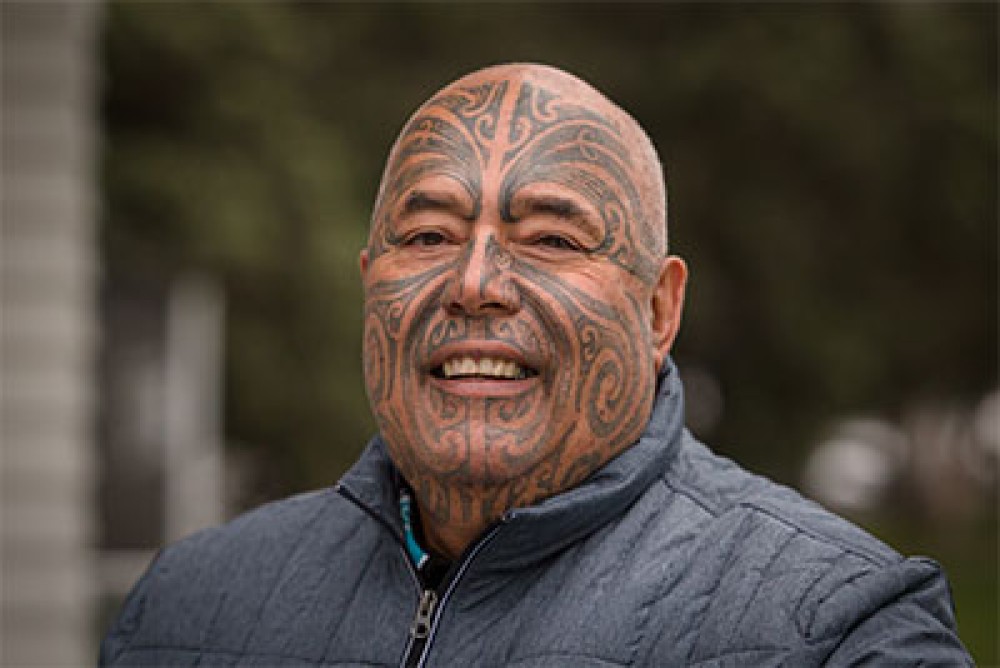
A big mihi to kaumātua Rukingi Haupapa for his role in assisting the speech-language therapy profession in providing a culturally safe and equitable service. Matua Rukingi was appointed in 2019, and we are honoured to have his guidance. Rukingi Haupapa supports the NZSTA in his role as kaumātua to assist the NZSTA board and the speech-language therapy profession.
Ngongotaha ki runga, Pukeroaoruawhata ki raro.
Ko te Utuhina te awa e rere nei ki Te Rotoruanui-o-Kahumatamomoe
Ko Te Arawa te waka
Ko Ngāti Whakaue te iwi
Ko Tamatekapua te tupuna
Ko Rukingi ahau